


The prostate gland can easily be called one of the most important organs in the male reproductive system.The prostate is a small gland, about the size of an ordinary walnut, located around the urethra.The main function of this organ is to produce fluid - prostate juice, which actively participates in the formation of sperm cells and provides sperm motility.
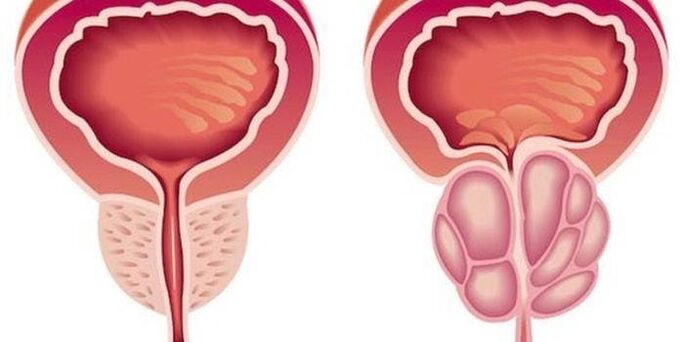
Prostate inflammation
According to the WHO, almost a third of the male population is diagnosed with problems with the prostate gland with subsequent complications.Prostatitis is a disease of the endocrine organ, characterized in medicine as inflammation of the prostate as a result of tissue damage by viruses or bacteria.In addition, non-specific infectious pathology can develop against the background of inflammation of the seminal vesicles, prostatic appendages or urinary tract disorders.
Signs of prostatitis
Conventionally, prostate disease is usually divided into several categories: bacterial, chronic and non-bacterial.In the first two cases, prostate disorders begin due to bacteria entering the body.The acute bacterial form of prostatitis is accompanied by an increase in body temperature, severe pain in the groin of the abdomen and perineum, and cramps in the lower abdomen.A sick man begins to go to the toilet more often, and sometimes drops of blood come out along with urine.
Prostatitis of non-bacterial origin occurs as a form of prostatic chronic pelvic pain syndrome, while other symptoms may be completely absent.Chronic signs of prostatitis in men are expressed in pain during urination, in the groin, absence or disturbance of sexual function.The peculiarity of this form of prostatitis is that most of the time it is asymptomatic.
It is worth noting that the features of how prostatitis manifests cannot be described as constant.Due to the fact that each organism is individual, certain signs may be completely absent, and the disease may appear differently in different categories of men.Sometimes prostatitis begins with sudden manifestations of the inflammatory process - then they talk about an acute form.If the disease only bothers you occasionally, then it is most likely the chronic stage of prostatitis.
Causes of prostatitis
Many different categories of citizens can be considered at risk of this pathology, but more often prostatitis develops in those who:
- sits a lot and moves little;
- prefers an unbalanced diet to healthy food;
- can in no way get rid of addiction to drinking or smoking tobacco;
- often becomes hypothermic;
- does not have a regular sexual partner;
- often refuses sex.
But even this is far from a complete list of what causes prostatitis.Doctors say that inflammation of the prostate can occur even in an almost healthy man, in which case everything is often attributed to excessive fatigue, stress and poor ecology.It often progresses after surgery, severe bruising or other trauma to the genitals.In any case, if you have even the slightest suspicion of prostatitis, you should immediately visit a urologist.
Chronic prostatitis

Manifestations of the recurrent form of the disease are different.For some men, this is a complete rejection of sex, frequent urges to go to the toilet, itching or burning in the urethra or pain in the groin.However, another category of patients may only experience similar symptoms from time to time.Much more typical are the functional signs of chronic prostatitis, which are usually divided into three subgroups:
- painful and frequent urge to go to the toilet, urinary retention, blood in sputum, swelling in the groin, diarrhea;
- a feeling of pressure in the anus during ejaculation, absence or weakness of an erection, loss of desire to have sex, loss of difficulty of orgasm;
- feelings of anxiety, fatigue, depression, frequent nervous breakdowns and stress.
Recurrent prostatitis without proper treatment can not only cause a lot of problems, but also lead to serious consequences: adenoma, abscess and prostate cancer.Chronic inflammation of the prostate can continue indefinitely, but the course of prostatitis is never uniform.Sharp, sometimes intense attacks are followed by periods of relative calm.
Catarrhal prostatitis
Acute or parenchymal prostatitis in men often occurs due to weakened immunity or infection entering the body.In addition, the catarrhal form of the disease can develop even after a common sore throat, acute respiratory viral infection and severe cough.Microbes, bacteria and other pathogenic microflora penetrate together with lymph into the prostate, where they trigger inflammatory processes.The first signs of prostatitis in men are usually a feeling of heaviness in the abdomen and a slight increase in temperature.
With a detailed examination, the doctor can notice other symptoms characteristic of the catarrhal form.For example:
- upon examination, slight swelling of the prostate is revealed, while the procedure itself is extremely painful for the patient;
- analysis of secretions from the prostate will reveal the release of an increased number of leukocytes;
- Ultrasound shows purulent components, blockage or partial narrowing of the channels through which urine passes.
Diagnosis of prostatitis
Thanks to active campaigning and ubiquitous advertising, today even schoolchildren know not only about the symptoms, but also how to treat the prostate.But the absence of signs makes it difficult not only to choose the right medicine, but also to make a diagnosis on time.The best way to prevent inflammation is to visit the clinic more often.Therefore, prostatitis is often diagnosed during a routine examination by a urologist.
If there are complaints, an experienced doctor can already suspect inflammation of the prostate and prescribe appropriate tests, which often include:
- digital rectal examination;
- analysis of secretions and seminal fluid;
- ultrasound examination of the prostate;
- urinalysis and blood analysis;
- takes a smear from the urethra.
How to treat prostatitis
How prostatitis manifests and its treatment are the main topics of discussion in many international symposia and medical conferences.Every year, scientists, general practitioners and experienced doctors try to establish more accurate symptoms of prostatitis, develop new drugs and methods of prevention.But at the moment, the classic range of therapeutic measures remains unchanged and includes:
- prescription of antibacterial, antiviral drugs and immunomodulators;
- the use of magnetic field devices, hirudotherapy, ultrasound and laser treatment on the patient;
- a prostate massage course aimed at strengthening the body's reproductive functions and normalizing the microcirculation of blood flow in the genitourinary system.
In the complex treatment of prostatitis, herbal remedies are often used.

Treatment of chronic prostatitis in men
Alas, not a single method or medicine can relieve you from the manifestations of the disease, much less completely eliminate inflammation.Therefore, treatment of chronic prostatitis is carried out according to a comprehensive scheme using effective drugs from three groups:
- Antibiotics – fluoroquinolones.Medicines from this series penetrate well into the soft tissues of the prostate and destroy most types of harmful microorganisms.
- Non-steroidal anti-inflammatory tablets.They remove swelling of the prostate, improve blood circulation and relieve pain.
- Alpha blockers.They help relax the bladder and urethra, facilitating the outflow of urine.
In addition, drug treatment involves the use of a number of additional drugs that help strengthen the prostate: vitamins, enzymes, suppositories, adaptogens.The doctor may also prescribe massage, simple physiotherapy procedures or physiotherapy.All patients are prescribed a special fiber diet, excluding consumption of alcohol, canned food, fried, too spicy or salty food.